Bari
38
Cityboards · Billboards
Billboard and screen rental
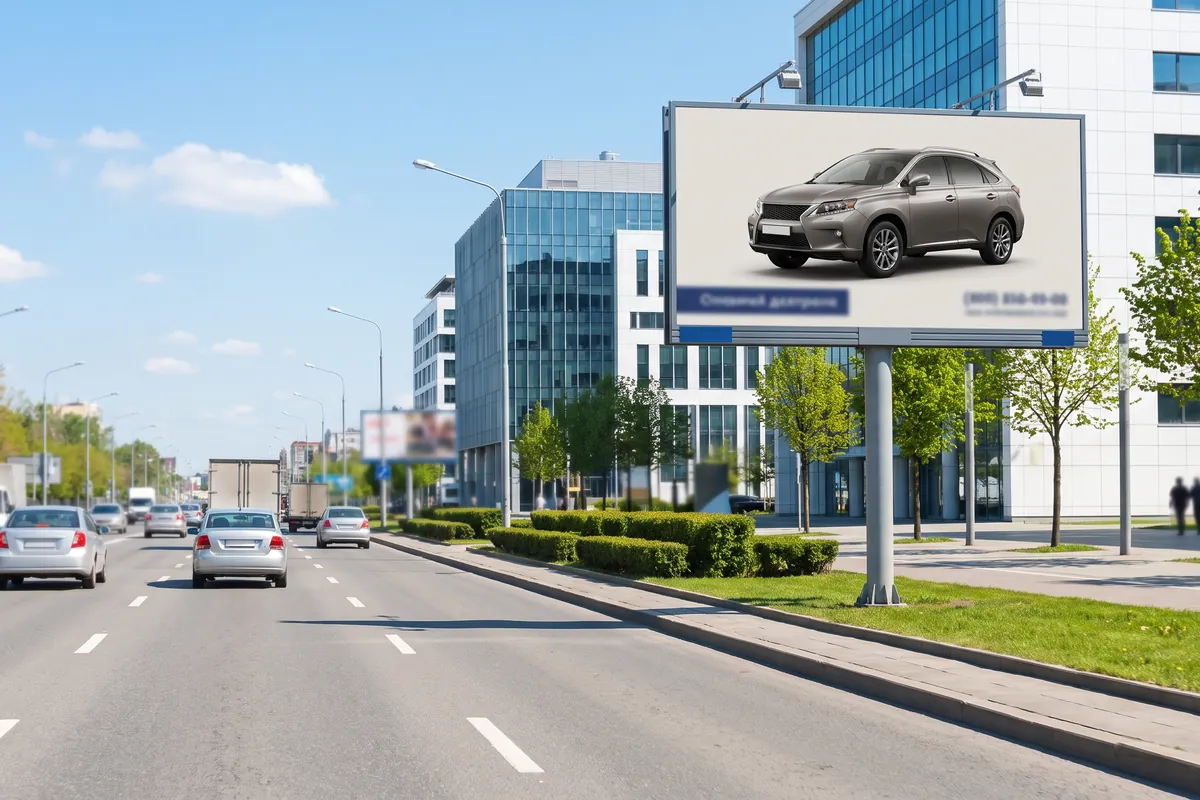
191 billboards, city-format panels, and digital screens in 18 cities. We'll show you photos and exact addresses, price it for your dates, and take on the printing and installation.
191 billboards and screens
What's available
on 189 structures
with at least one format available
streets, highways, and building facades
we bargain them down for you
We count sides, not structures: one billboard often carries two or more. We'll check your dates against your list before quoting.
Cities
The widest choice is in the largest cities, but there are boards in regional capitals and small towns too.
38
Cityboards · Billboards
61
Cityboards · Billboards
24
Billboards
19
Cityboards · Billboards
9
Billboards
8
Billboards
6
Billboards
6
Billboards
Formats
2 formats, and Billboards is the most common.
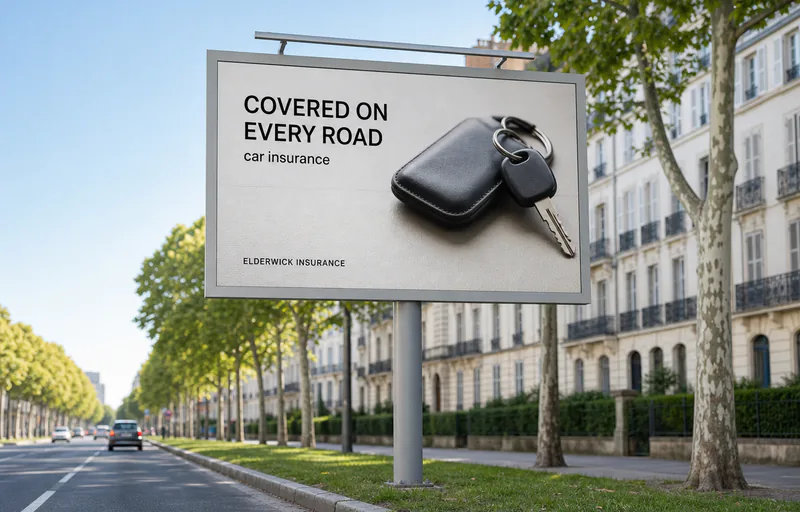
126 sides
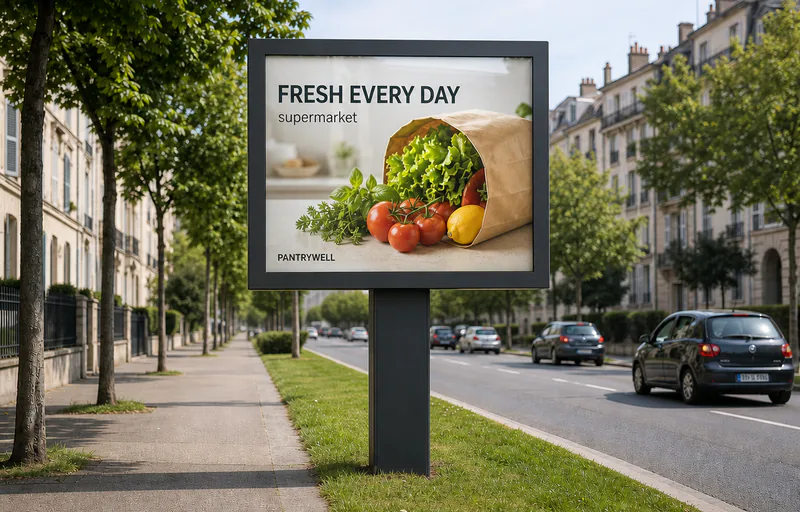
65 sides
Prices
There is no single national rate card: a billboard on an arterial road and a billboard on a regional bypass are priced differently. Rate-card prices sit in the city catalog, and a manager puts the final quote together in EUR.
The comune levy is charged on the whole surface of the medium in square metres, whatever the type and number of creatives on it. So a 6×3 poster and a shelter panel already differ in the invoice before the site rent is counted at all.
Beyond built-up areas the regulation spaces the media out: 100 metres from one another, 3 metres from the carriageway edge, 250 metres ahead of a road sign. What sets the price of such a position is not the traffic but the absence of any alternative beside it.
We show the canone unico patrimoniale apart from the placement price. Its standard annual rate follows the size of the comune — from EUR 30 in a small town to EUR 70 in a city above half a million residents — and is multiplied by the surface of the structure.
Protected quarters hold no large structures, and on the streets beside a monument the permit is issued only once the superintendency agrees. What is left — panels, street furniture and shopfronts — is scarce, so the centre is planned first.
A screen is sold as impressions in a loop; a printed board carries one creative for the whole term.
The longer the campaign and the more addresses in the request, the lower the price per space.
Tell us the cities, formats, and dates. We'll check what's free and send a quote.
Offers


How it works
Four steps from choosing addresses to launch. We'll confirm free dates and terms before anything is signed.
A city, a format, a district or specific addresses on the map. What you tick goes into a list.
Send us the list and your campaign dates. A manager replies during business hours and clarifies the brief.
We check availability with the board owners and price the quote. If an address is taken, we'll try to negotiate the current advertiser's move off it, and if that doesn't work, find you an equivalent board nearby.
We'll tell you the artwork specs, print, and install. After launch we send a placement report.
The currency a manager confirms the quote in.
Correspondence, quote, and documents
The quote may differ: it depends on the structure owner and their tax regime
Questions
Milan and Rome are the most expensive markets in the country, the southern cities noticeably cheaper, and inside a city the gap between a ring road and a central street can be several times over. The price for a month is shown on the surface card where the owner has published it; on top of it the quote carries the comune levy, charged on the surface of the structure. Send the addresses and the dates and we will come back with a quote.
Outdoor structures are available in 18 cities, and the catalogue spans 18. The structures stand thickest here: Andria, Bari, Foggia. Inside a built-up area the permit is issued by the comune, each with its own regulation, so confirmation times differ between neighbouring cities and a national schedule is assembled from several local ones.
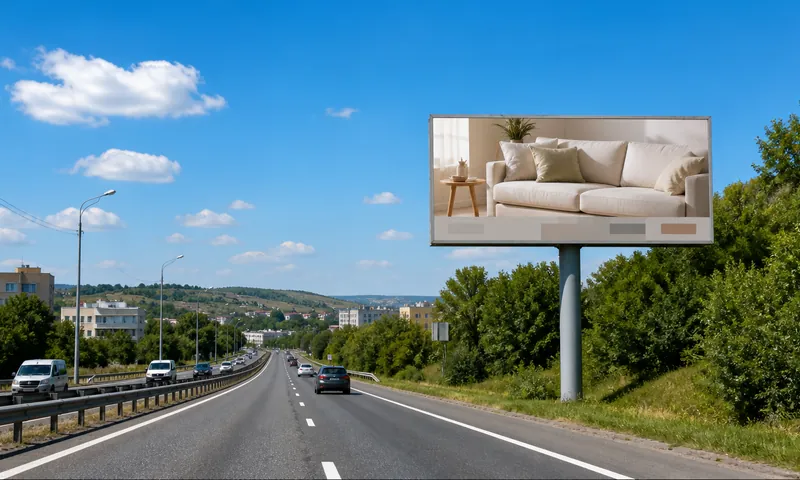
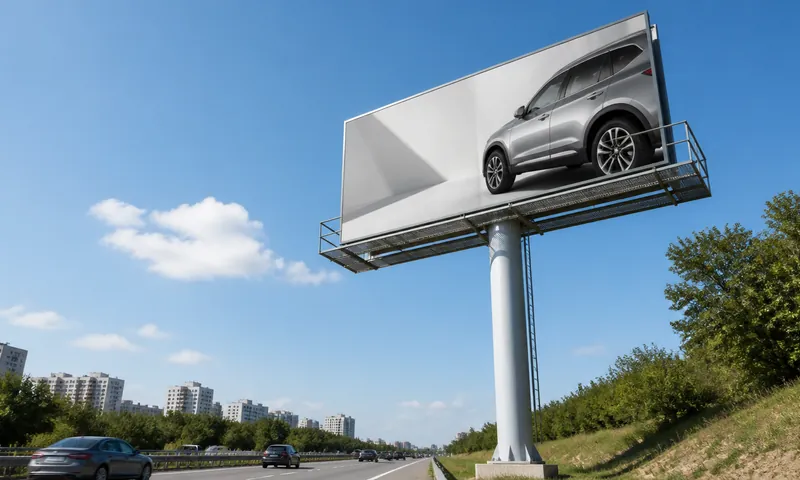
There are 2 formats, and the main one is Billboards. Six-by-three posters line the city streets, panels work on pedestrians in shelters, screens cluster in shopping centres and stations. Protected historic quarters carry no large structures at all.
The permit is issued by the road owner, and inside a built-up area by the comune; where the road is state, regional or provincial, the comune first takes a technical clearance from its owner. Which types of installation are allowed and how many of each may exist is fixed in the comune regulation, while a general plan of advertising installations is mandatory only for comuni above 20,000 residents — in a smaller town the addresses simply follow the regulation.
No. Advertising along international itineraries, motorways and main extra-urban roads, or in view of them and of their accesses, is prohibited by art. 23 of the Highway Code — there is no exception for boards, only service signs and the roadside businesses' own fascia signs. We build the out-of-town part of a plan on ordinary roads beyond built-up areas, where media must stand at least 100 metres apart, and we say up front that free positions there are few.
You can, but the set is different. On the protected buildings themselves and in their areas advertising is forbidden, and on the streets beside them the permit is issued only with the prior assent of the superintendency, as art. 49 of the Code of Cultural Heritage requires. Such quarters hold no large structures; shelter panels, street furniture and shopfront formats do work. There are few such sites and they go before the rest, so the centre of Milan, Rome or Florence is planned first.
Besides the site price the quote carries the canone unico patrimoniale, the single comune levy that since 2021 has replaced the advertising tax, the fee on public posting and the charge for occupying public space (Law No. 160 of 27 December 2019). It is worked out on the whole surface of the structure in square metres, whatever the number of creatives, and the comune sets the base rate itself — which is why we show the levy as its own line. Print and installation are handled by the site owner and appear separately as well.
Send your question — the ad.media team will reply by email.
Rules
4 reasons a board can turn out to be unavailable or the artwork can fail approval.
Any advertising along international itineraries, motorways and main extra-urban roads, or in view of them and of their accesses, is prohibited outright, not granted case by case. An Italian outdoor campaign is an urban one: boards and panels stand inside built-up areas, while the open road keeps service signs and roadside businesses' own fascia signs.
Italian Highway Code (Legislative Decree 285/1992), art. 23(7)checked August 26, 2026
Placing or posting advertising on buildings and areas protected as cultural heritage is forbidden; only the soprintendente may allow it, and only where the look, the decor and the public use of the asset do not suffer. On streets within or near such assets a structure goes up on the ordinary road authorisation, but only after the superintendency has agreed.
Code of Cultural Heritage and Landscape (Legislative Decree 42/2004), art. 49checked August 26, 2026
Since 2021 the canone unico patrimoniale has replaced the municipal advertising tax, the fee on public posting and both charges for occupying public space: four payments became one. It is worked out on the whole surface of the medium in square metres, whatever the type and number of creatives, and each comune sets the rate in its own regulation.
Italian Law No. 160 of 27 Dec 2019, art. 1, paras 816–826checked August 26, 2026
On roads and vehicles any advertising is barred whose content is sexist or violent, carries offensive gender stereotypes, or discriminates on religion, ethnic origin, sexual orientation or physical and mental ability. Meeting that condition is what the authorisation rests on: break it and the permit already granted is revoked at once.
Italian Highway Code, art. 23(4-bis) and 23(4-quater)checked August 26, 2026
In Italy a free address is not created on demand: where a structure may stand at all is decided by the comune's general plan of advertising installations, and its regulation caps how many of each type may exist. So we do not eyeball a spot nearby — we work through the list of positions that are already permitted.
Both the comune authorisation and the owner's contract have an end date. We ask for it and put your request in the queue for that exact address.
Neighbouring positions come out of the same general plan. Outside a built-up area the nearest permitted medium is at least 100 metres away; in town the choice is denser.
If one address cannot be swapped one for one, we show a set of two or three neighbouring ones, each with its price, its term and its comune levy.
You end up with either the date the address frees up or an equivalent set of neighbouring positions, each with its price and term.
All cities
18 cities.
Other countries
There are billboards and screens in neighboring countries too.

'%20transform='matrix(.52885%200%200%20.53333%205%200)'%3e%3cg%20id='by-c'%3e%3cpath%20id='by-b'%20d='M36%200v14h-9v14H16v16H8v13H-8V24H8V6H-8V0Zm26%2077v15h-8v12h-8V92h-8V77h-8V57h8V42h8V30h8v12h8v15h8v20Zm-17-1h10V58H45ZM19%20183h8v-18h-8zm54%200h8v-18h-8ZM-8%20305H6v13h6v16h9v15h12v-15h9v-16h8v-13H38v-15h21v10h13v17h11v19h-8v14h-7v13h-6v14h-9v12h-7v11h-9v14H24v-15h-9v-14H8v-9H-8v-23H8v-20H-8Z'/%3e%3cuse%20xlink:href='%23by-b'%20transform='matrix(-1%200%200%201%20200%200)'/%3e%3cpath%20d='M96%200v32h8V0h32v14h-8v14h-12v16h-8v13H92V44h-8V28H72V14h-8V0Zm-2%20274v-11h-6v-13h-7v-14h-8v-14h-8v-10h-9v-14H44v14h-9v10h-7v14h-8v14h-6v13H8v17H-8v-44H8v-20H-8v-33H8v14h10v14h10v-14h10v-14h8v-18h-8v-14H28v-14H18v14H8v14H-8v-41H8v-19H-8V77H8v13h8v16h11v13h9v15h7v12h14v-12h7v-15h9v-13h11V90h8V77h16v13h8v16h11v13h9v15h7v12h14v-12h7v-15h9v-13h11V90h8V77h16v28h-16v19h16v41h-16v-14h-10v-14h-10v14h-10v14h-8v18h8v14h10v14h10v-14h10v-14h16v33h-16v20h16v44h-16v-17h-6v-13h-6v-14h-8v-14h-7v-10h-9v-14h-12v14h-9v10h-8v14h-8v14h-7v13h-6v11zm2-167v27h8v-27zm-4%2058v-14H82v-14H72v14H62v14h-8v18h8v14h10v14h10v-14h10v-14h16v14h10v14h10v-14h10v-14h8v-18h-8v-14h-10v-14h-10v14h-10v14zm4%2046v27h8v-27z'/%3e%3c/g%3e%3cuse%20xlink:href='%23by-c'%20transform='matrix(1%200%200%20-1%200%20900)'/%3e%3cpath%20d='M-8%20408H8v14h7v8h8v14h7v12h-7v14h-8v8H8v14H-8Zm216%200v84h-16v-14h-7v-8h-8v-14h-7v-12h7v-14h8v-8h7v-14ZM62%20459h8v-18h-8zm76%200v-18h-8v18zm-42-59h8v-18h-8zm0%20100v18h8v-18Zm-50-75h14v-11h10v-10h5v-10h6v-14h8v-14h4v-13h14v13h4v14h8v14h6v10h5v10h10v11h14v50h-14v11h-10v10h-5v10h-6v14h-8v14h-4v13H93v-13h-4v-14h-8v-14h-6v-10h-5v-10H60v-11H46Zm50%209v-15h-8v-10h-8v25h8v9h5v14h-5v9h-8v25h8v-10h8v-15h8v15h8v10h8v-25h-8v-9h-5v-14h5v-9h8v-25h-8v10h-8v15z'/%3e%3c/g%3e%3cpath%20fill='%23007c30'%20d='M110%20320h530v160H110Z'/%3e%3c/svg%3e)


scale(1.92)'%3e%3cg%20id='uz-e'%3e%3cg%20id='uz-d'%3e%3cg%20id='uz-c'%3e%3cg%20id='uz-b'%3e%3cpath%20id='uz-a'%20d='M0-6-1.9-.3%201%20.7'/%3e%3cuse%20xlink:href='%23uz-a'%20width='100%25'%20height='100%25'%20transform='scale(-1%201)'/%3e%3c/g%3e%3cuse%20xlink:href='%23uz-b'%20width='100%25'%20height='100%25'%20transform='rotate(72)'/%3e%3c/g%3e%3cuse%20xlink:href='%23uz-b'%20width='100%25'%20height='100%25'%20transform='rotate(-72)'/%3e%3cuse%20xlink:href='%23uz-c'%20width='100%25'%20height='100%25'%20transform='rotate(144)'/%3e%3c/g%3e%3cuse%20xlink:href='%23uz-d'%20width='100%25'%20height='100%25'%20y='-24'/%3e%3cuse%20xlink:href='%23uz-d'%20width='100%25'%20height='100%25'%20y='-48'/%3e%3c/g%3e%3cuse%20xlink:href='%23uz-e'%20width='100%25'%20height='100%25'%20x='24'/%3e%3cuse%20xlink:href='%23uz-e'%20width='100%25'%20height='100%25'%20x='48'/%3e%3cuse%20xlink:href='%23uz-d'%20width='100%25'%20height='100%25'%20x='-48'/%3e%3cuse%20xlink:href='%23uz-d'%20width='100%25'%20height='100%25'%20x='-24'/%3e%3cuse%20xlink:href='%23uz-d'%20width='100%25'%20height='100%25'%20x='-24'%20y='-24'/%3e%3c/g%3e%3c/svg%3e)