Almaty
500
Cityboards · Media facades
Billboard and screen rental
740 billboards, city-format panels, and digital screens in 21 cities. We'll show you photos and exact addresses, price it for your dates, and take on the printing and installation.

740 billboards and screens
405 of 740 are digital


What's available
on 715 structures
with at least one format available
streets, highways, and building facades
of 740 billboards and screens
we bargain them down for you
We count sides, not structures: one billboard often carries two or more. We'll check your dates against your list before quoting.
Cities
The widest choice is in the largest cities, but there are boards in regional capitals and small towns too.
500
Cityboards · Media facades
36
Media facades · Billboards
33
Citylights · Billboards
24
Media facades · Billboards
22
Citylights · Billboards
19
Media facades · Billboards
18
Billboards · Media facades
14
Media facades
Formats
7 formats, and Cityboards is the most common.
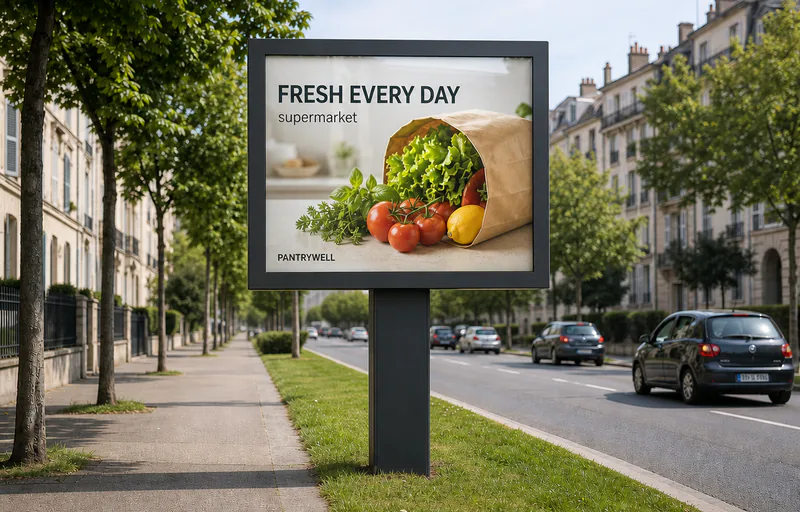
502 sides
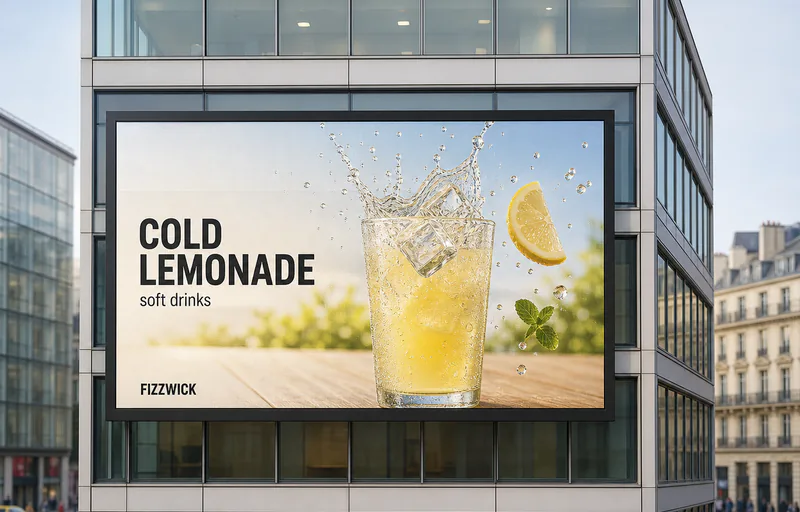
96 sides
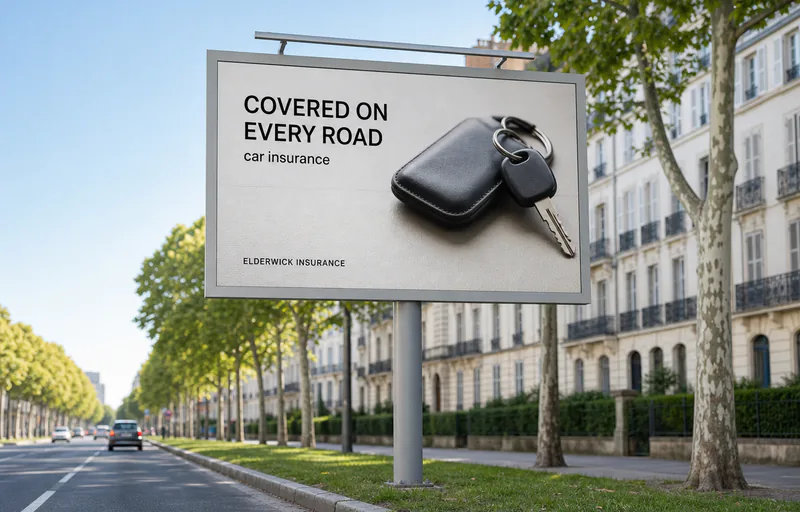
93 sides
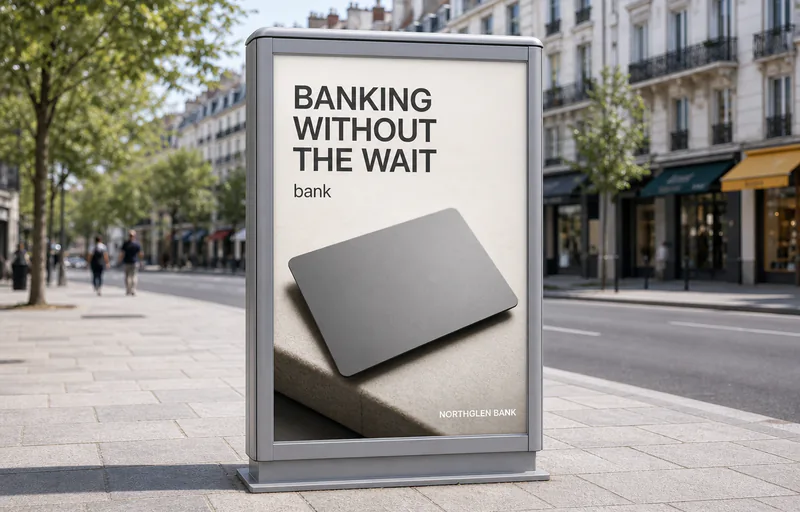
32 sides
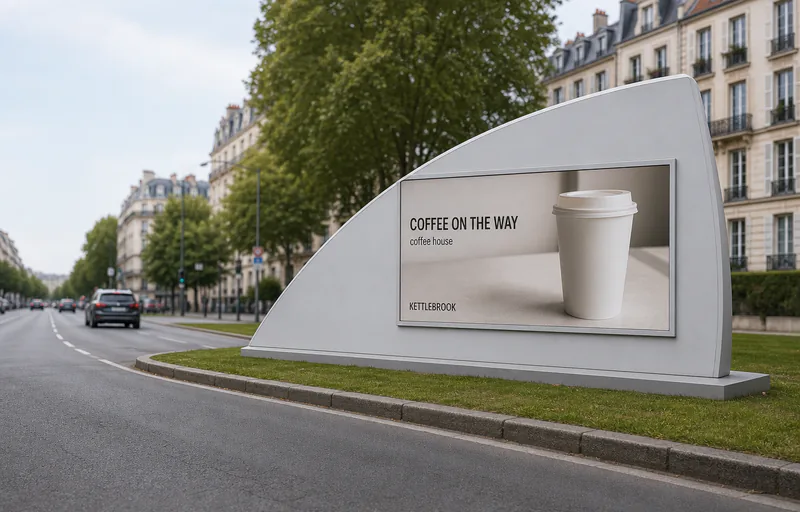
12 sides
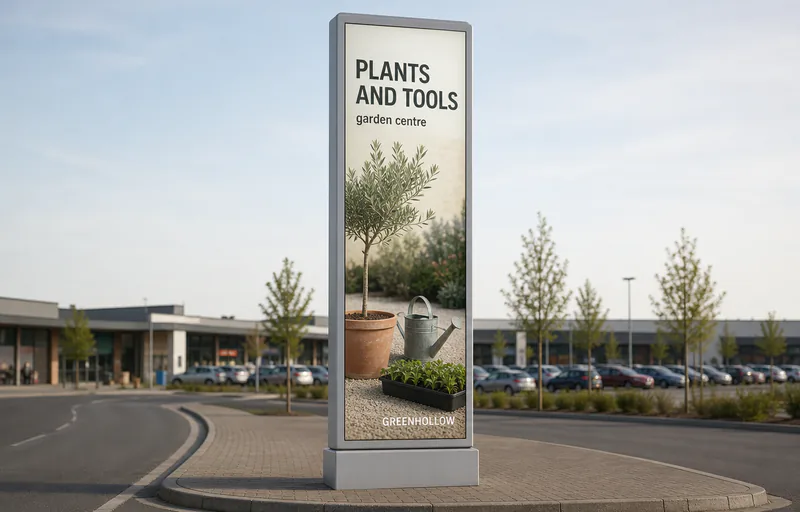
4 sides
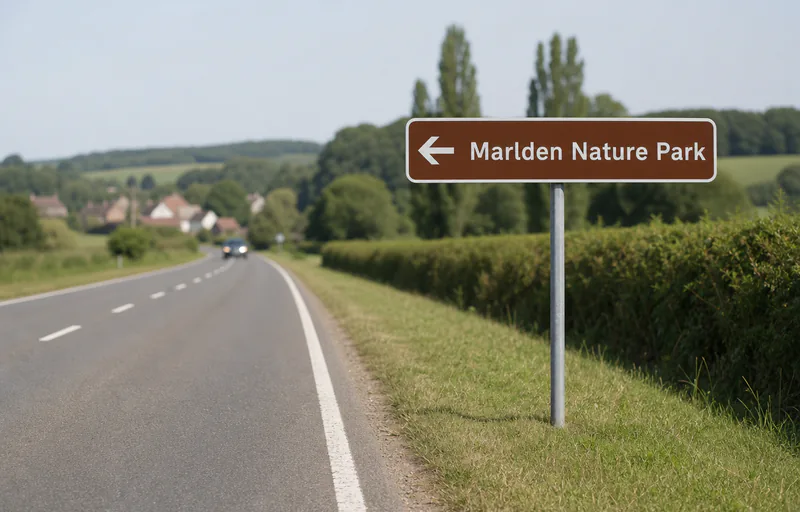
1 side
Prices
There is no single national rate card: a billboard on an arterial road and a billboard on a regional bypass are priced differently. Rate-card prices sit in the city catalog, and a manager puts the final quote together in KZT.
The notification is filed at least five working days before the start, and the first month of the fee is paid before it goes in. Without a notification the rate doubles, so the start date counts from the filing, not from the print run.
On top of the rent for the structure there is a monthly fee per side. For a 10–20 sq m board it is 20 MRP in Astana, Almaty and Shymkent and 10 MRP in a city of oblast significance; above that the rate steps up with the area.
A maslikhat may move the base rate, and Almaty has set its own: category "A" is twice category "B". Which category an address falls into is spelled out in the list of squares and avenues attached to that decision.
The Kazakh version is mandatory and a Russian one is the advertiser's choice, so design and print are costed for two. The fee does not move: it is charged per side whatever the number of Kazakh and Russian images shown.
A screen is sold as impressions in a loop; a printed board carries one creative for the whole term.
The longer the campaign and the more addresses in the request, the lower the price per space.
Tell us the cities, formats, and dates. We'll check what's free and send a quote.
Offers


How it works
Four steps from choosing addresses to launch. We'll confirm free dates and terms before anything is signed.
A city, a format, a district or specific addresses on the map. What you tick goes into a list.
Send us the list and your campaign dates. A manager replies during business hours and clarifies the brief.
We check availability with the board owners and price the quote. If an address is taken, we'll try to negotiate the current advertiser's move off it, and if that doesn't work, find you an equivalent board nearby.
We'll tell you the artwork specs, print, and install. After launch we send a placement report.
The currency a manager confirms the quote in.
Correspondence, quote, and documents
The quote may differ: it depends on the structure owner and their tax regime
Questions
Rates are quoted in tenge and differ city by city: Almaty and Astana cost the most, regional capitals noticeably less. Format, which side of the avenue a board faces and the month all move the figure. The surface card carries the rate-card price per month where the owner has published one; the final sum, with the volume discount, we calculate against your address list.
Outdoor advertising is available in 21 cities, and the whole catalogue covers 21. Addresses are densest here: Almaty, Shymkent, Aktobe. The country is stretched out, so a regional campaign is usually built along a route: a regional capital plus the towns on the road between them.
There are 7 formats, and the one bought most often is Cityboards. Large structures work along the wide avenues, city formats near stops and pedestrian areas, and digital screens cluster in the business districts of the two capitals.
The Kazakh version is mandatory; a Russian one is added at the advertiser's discretion, and a board almost always carries both. The language law also sets the layout: Kazakh goes left or above, Russian right or below, at the same type size. So the copy is written for two versions from the start rather than translated from a finished panel, and we check the source file before print. The translation is usually the advertiser's, the proofread the owner's.
The invoice is issued in KZT, with taxes and levies shown as separate lines rather than folded into the rate. A company needs a contract and its details; the prepayment and the payment schedule are agreed before the campaign starts. If the placement runs across several cities, it all comes together in one document.
Digital surfaces in the catalogue: 405, against a total of 740, and nearly every screen stands in a larger city. A screen shows a clip in rotation, so the same address can be taken for a week with the message changing day by day. A printed board stands longer with one creative, which matters more for recognition than for a short promotion.
Send your question — the ad.media team will reply by email.
Rules
4 reasons a board can turn out to be unavailable or the artwork can fail approval.
Outdoor advertising in Kazakhstan runs on a notification, not a permit: the ad distributor files it with the local executive body at least five working days before the placement. If no answer comes within four working days the board may go up, and written remarks have to be settled first.
Law of Kazakhstan on Advertising, art. 11checked August 26, 2026
Advertising is carried in Kazakh; Russian and other languages are the advertiser's own choice on top of that. On a board this almost always means a bilingual layout, so it is worth writing the copy in both languages from the start.
Law of Kazakhstan on Advertising, art. 6checked August 26, 2026
The language act also settles the layout: Kazakh goes on the left or above, Russian on the right or below, both in letters of the same size. Worth solving at the design stage rather than the day before print.
Law of Kazakhstan on Languages, art. 21checked August 26, 2026
Advertising for alcohol, tobacco, heated tobacco and vapes is banned outright, not just outdoors. Outdoor advertising for bookmakers and betting shops is barred as well, except inside the areas the gambling act sets aside.
Law of Kazakhstan on Advertising, art. 13checked August 26, 2026
A taken address is the normal case: boards are booked by the month and rolled over. The structure owner knows the date the current placement is paid up to, so we work with that date and with the neighbouring sides in the same traffic, not with the word "occupied".
The period and the place of a placement are stated in the notification filed with the local executive body, so the owner reads the end date off a document rather than from memory. We ask for it and queue your address for that date.
While the address is held we show the free sides on the same avenue and on the opposite carriageway: same format, same direction of view, comparable traffic. The list comes with prices and start dates.
The notification goes in at least five working days before the placement, and the first month is paid before it is filed. So we set the start with that margin and have the Kazakh and Russian artwork ready ahead of it.
You end up with a list of free sides and their start dates, and the taken address queued for the day it comes free.
All cities
21 cities.
Other countries
There are billboards and screens in neighboring countries too.

'%20transform='matrix(.52885%200%200%20.53333%205%200)'%3e%3cg%20id='by-c'%3e%3cpath%20id='by-b'%20d='M36%200v14h-9v14H16v16H8v13H-8V24H8V6H-8V0Zm26%2077v15h-8v12h-8V92h-8V77h-8V57h8V42h8V30h8v12h8v15h8v20Zm-17-1h10V58H45ZM19%20183h8v-18h-8zm54%200h8v-18h-8ZM-8%20305H6v13h6v16h9v15h12v-15h9v-16h8v-13H38v-15h21v10h13v17h11v19h-8v14h-7v13h-6v14h-9v12h-7v11h-9v14H24v-15h-9v-14H8v-9H-8v-23H8v-20H-8Z'/%3e%3cuse%20xlink:href='%23by-b'%20transform='matrix(-1%200%200%201%20200%200)'/%3e%3cpath%20d='M96%200v32h8V0h32v14h-8v14h-12v16h-8v13H92V44h-8V28H72V14h-8V0Zm-2%20274v-11h-6v-13h-7v-14h-8v-14h-8v-10h-9v-14H44v14h-9v10h-7v14h-8v14h-6v13H8v17H-8v-44H8v-20H-8v-33H8v14h10v14h10v-14h10v-14h8v-18h-8v-14H28v-14H18v14H8v14H-8v-41H8v-19H-8V77H8v13h8v16h11v13h9v15h7v12h14v-12h7v-15h9v-13h11V90h8V77h16v13h8v16h11v13h9v15h7v12h14v-12h7v-15h9v-13h11V90h8V77h16v28h-16v19h16v41h-16v-14h-10v-14h-10v14h-10v14h-8v18h8v14h10v14h10v-14h10v-14h16v33h-16v20h16v44h-16v-17h-6v-13h-6v-14h-8v-14h-7v-10h-9v-14h-12v14h-9v10h-8v14h-8v14h-7v13h-6v11zm2-167v27h8v-27zm-4%2058v-14H82v-14H72v14H62v14h-8v18h8v14h10v14h10v-14h10v-14h16v14h10v14h10v-14h10v-14h8v-18h-8v-14h-10v-14h-10v14h-10v14zm4%2046v27h8v-27z'/%3e%3c/g%3e%3cuse%20xlink:href='%23by-c'%20transform='matrix(1%200%200%20-1%200%20900)'/%3e%3cpath%20d='M-8%20408H8v14h7v8h8v14h7v12h-7v14h-8v8H8v14H-8Zm216%200v84h-16v-14h-7v-8h-8v-14h-7v-12h7v-14h8v-8h7v-14ZM62%20459h8v-18h-8zm76%200v-18h-8v18zm-42-59h8v-18h-8zm0%20100v18h8v-18Zm-50-75h14v-11h10v-10h5v-10h6v-14h8v-14h4v-13h14v13h4v14h8v14h6v10h5v10h10v11h14v50h-14v11h-10v10h-5v10h-6v14h-8v14h-4v13H93v-13h-4v-14h-8v-14h-6v-10h-5v-10H60v-11H46Zm50%209v-15h-8v-10h-8v25h8v9h5v14h-5v9h-8v25h8v-10h8v-15h8v15h8v10h8v-25h-8v-9h-5v-14h5v-9h8v-25h-8v10h-8v15z'/%3e%3c/g%3e%3cpath%20fill='%23007c30'%20d='M110%20320h530v160H110Z'/%3e%3c/svg%3e)


scale(1.92)'%3e%3cg%20id='uz-e'%3e%3cg%20id='uz-d'%3e%3cg%20id='uz-c'%3e%3cg%20id='uz-b'%3e%3cpath%20id='uz-a'%20d='M0-6-1.9-.3%201%20.7'/%3e%3cuse%20xlink:href='%23uz-a'%20width='100%25'%20height='100%25'%20transform='scale(-1%201)'/%3e%3c/g%3e%3cuse%20xlink:href='%23uz-b'%20width='100%25'%20height='100%25'%20transform='rotate(72)'/%3e%3c/g%3e%3cuse%20xlink:href='%23uz-b'%20width='100%25'%20height='100%25'%20transform='rotate(-72)'/%3e%3cuse%20xlink:href='%23uz-c'%20width='100%25'%20height='100%25'%20transform='rotate(144)'/%3e%3c/g%3e%3cuse%20xlink:href='%23uz-d'%20width='100%25'%20height='100%25'%20y='-24'/%3e%3cuse%20xlink:href='%23uz-d'%20width='100%25'%20height='100%25'%20y='-48'/%3e%3c/g%3e%3cuse%20xlink:href='%23uz-e'%20width='100%25'%20height='100%25'%20x='24'/%3e%3cuse%20xlink:href='%23uz-e'%20width='100%25'%20height='100%25'%20x='48'/%3e%3cuse%20xlink:href='%23uz-d'%20width='100%25'%20height='100%25'%20x='-48'/%3e%3cuse%20xlink:href='%23uz-d'%20width='100%25'%20height='100%25'%20x='-24'/%3e%3cuse%20xlink:href='%23uz-d'%20width='100%25'%20height='100%25'%20x='-24'%20y='-24'/%3e%3c/g%3e%3c/svg%3e)