
Tashkent
256
Billboards · Non-standard formats
Billboard and screen rental
1,251 billboards, city-format panels, and digital screens in 70 cities. We'll show you photos and exact addresses, price it for your dates, and take on the printing and installation.

1,251 billboards and screens
630 of 1,251 are digital


What's available
on 974 structures
with at least one format available
streets, highways, and building facades
of 1,251 billboards and screens
we bargain them down for you
We count sides, not structures: one billboard often carries two or more. We'll check your dates against your list before quoting.
Cities
The widest choice is in the largest cities, but there are boards in regional capitals and small towns too.
256
Billboards · Non-standard formats
174
Billboards · Building wraps
156
Billboards · Non-standard formats
141
Billboards · Supersites
104
Billboards · Supersites
82
Billboards · Non-standard formats
57
Billboards · Non-standard formats
24
Billboards · Non-standard formats
Formats
10 formats, and Billboards is the most common.
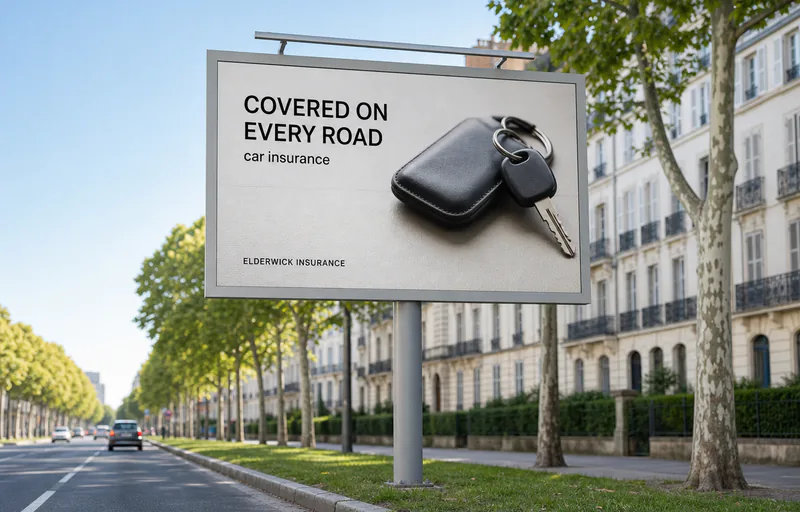
1,067 sides
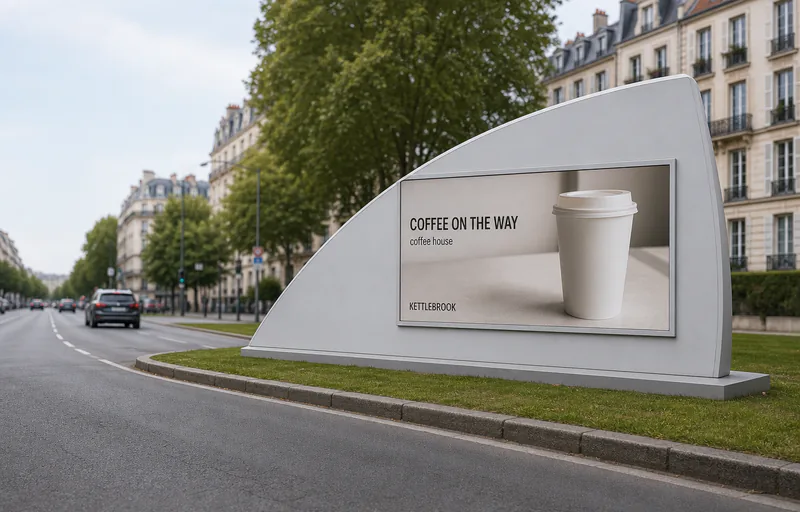
84 sides
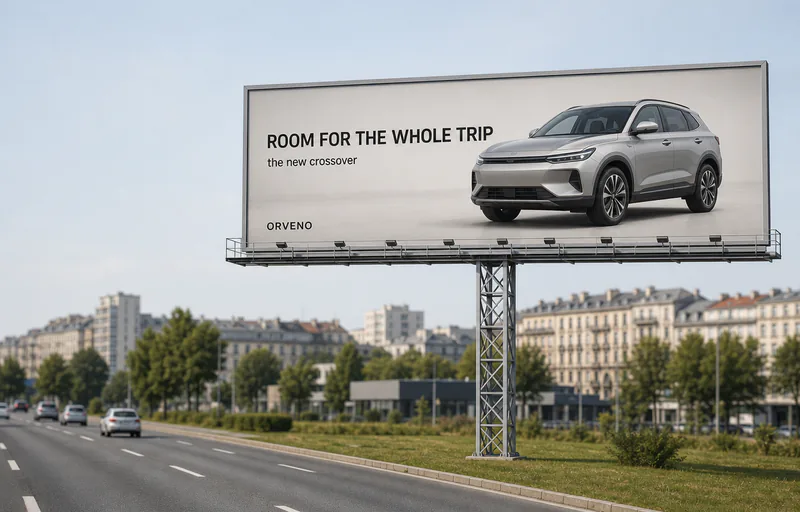
35 sides

26 sides
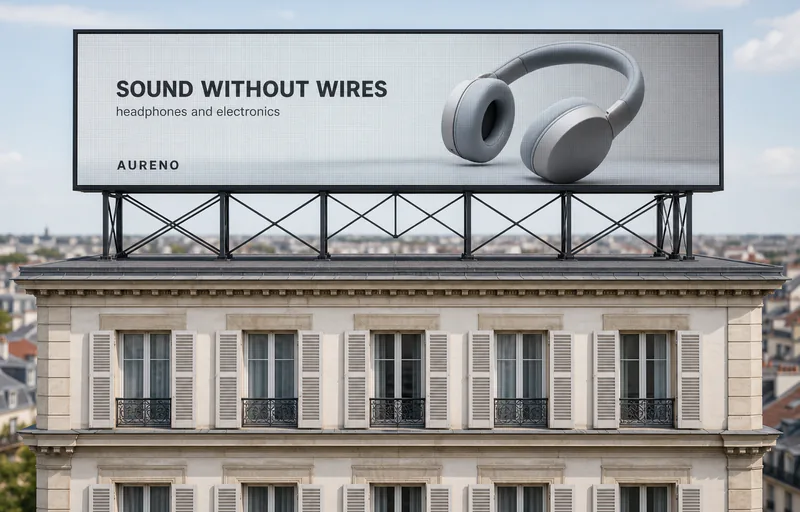
14 sides
11 sides
9 sides
2 sides
2 sides
1 side
Prices
There is no single national rate card: a billboard on an arterial road and a billboard on a regional bypass are priced differently. Rate-card prices sit in the city catalog, and a manager puts the final quote together in UZS.
The regional or Tashkent khokimiyat divides the territory into zones by the commercial value of the plot a structure stands on. The zone also sets the placement fee: the Andijan schedule has five of them, and the same board costs its owner differently in each.
Resolution No. 104 sets the types and sizes of structures as a recommendation; the binding list is the Typical Set of outdoor advertising objects each khokimiyat approves for itself. So neighbouring regions do not carry quite the same formats.
A screen is sold as impressions in a loop; a printed board carries one creative for the whole term.
On state land the right to a site is auctioned electronically, and the permit goes to the winner for ten years with no way to re-register it to another business. There is no secondary market in addresses, so a scarce site holds its price.
A campaign brought in from a neighbouring market cannot run as it is: the translation goes under the Uzbek text, in smaller type and within forty percent of the total advertising area. Re-laying it out for each format takes time before print.
The longer the campaign and the more addresses in the request, the lower the price per space.
Tell us the cities, formats, and dates. We'll check what's free and send a quote.
Offers


How it works
Four steps from choosing addresses to launch. We'll confirm free dates and terms before anything is signed.
A city, a format, a district or specific addresses on the map. What you tick goes into a list.
Send us the list and your campaign dates. A manager replies during business hours and clarifies the brief.
We check availability with the board owners and price the quote. If an address is taken, we'll try to negotiate the current advertiser's move off it, and if that doesn't work, find you an equivalent board nearby.
We'll tell you the artwork specs, print, and install. After launch we send a placement report.
The currency a manager confirms the quote in.
Correspondence, quote, and documents
The quote may differ: it depends on the structure owner and their tax regime
Questions
The monthly rate-card price is on the surface card where the owner has published it, and invoices are issued in UZS. Given the addresses and the dates, we price the campaign with volume taken into account. Demand sets the spread: Tashkent accounts for 108,188 of the country's 410,068 billion soum of retail turnover in 2024, so the capital's sites go first and hold their price.
Outdoor advertising runs in 70 cities, and the whole catalogue covers 70. The main choice is here: Tashkent, Jizzakh, Samarkand City. Income per head in the capital runs about two and a half times the national average, but for everyday goods pairing Tashkent with Samarkand, Bukhara and the Fergana Valley buys frequency more cheaply.
There are 10 formats, and Billboards is the one taken most often. Resolution No. 104 sets the types and sizes of structures as a recommendation; the binding list is the Typical Set of outdoor advertising objects approved by the region or by Tashkent city. So neighbouring regions do not carry quite the same formats.
The main copy runs in the state language, and other versions are added to it rather than instead of it. For a board the law also sets the layout: the translation goes horizontally below the Uzbek text, may not exceed forty percent of the total advertising area, and is set in smaller type. Registered trade marks and logos may stay in their original language, so the brand needs no transliteration. We review the file before print and say what needs adjusting.
An address list or the task in your own words, the dates and the artwork. From there we check availability with the site owners, put together the quote and the contract, and you confirm the addresses and the dates. If there is no list yet, describe the product and the districts where you need buyers and we will propose a selection.
Yes. Digital surfaces: 630, and nearly all of them are in Tashkent. Screens are taken for short promotions and events, where the message changes from day to day; a printed board holds one message for the whole term.
Send your question — the ad.media team will reply by email.
Rules
4 reasons a board can turn out to be unavailable or the artwork can fail approval.
The advertising act in force is No. ZRU-776 of 7 June 2022; it replaced the 1998 version and took effect on 9 September 2022. The right to place a structure on state land is now granted only through an open electronic auction, and permits issued before the act took effect run only to the end of their own term.
Law of Uzbekistan on Advertising No. ZRU-776, art. 24 and 53checked August 26, 2026
Advertising is carried in the state language; any other language is the advertiser's own addition. For a board that means the Uzbek version of the copy is needed either way. Registered trade marks and logos may stay in their original language.
Law of Uzbekistan on Advertising No. ZRU-776, art. 6 (Language of advertising)checked August 26, 2026
Beyond the act, outdoor advertising has an instrument of its own: Cabinet of Ministers Resolution No. 104 of 20 February 2020, whose eight annexes set who may install structures and on what terms. The document is still being amended — the text in force is the revision of 9 April 2026. The permitting side stays with the structure's owner.
Cabinet of Ministers Resolution No. 104 of 20 Feb 2020checked August 26, 2026
The list of advertising-free areas is drawn up by the regional and Tashkent city khokimiyats, and it covers government buildings, cultural heritage and religious sites. A structure may not stand within 50 metres of such an area either, and the local council may change that radius.
Cabinet of Ministers Resolution No. 104 of 20 Feb 2020, item 8checked August 26, 2026
A booked board is not a refusal. A site here is tied by permit to one named holder — ten years on a plot of land, five on a building — and the permit cannot be re-registered to another business. So the address is not going anywhere while somebody else's campaign runs on it, and the conversation starts with the date that campaign ends.
We ask the permit holder when the current booking on that address runs out, and put your campaign in line for the first free window after it.
We show them a site that is just as good. If they agree to move, the address opens up for your campaign ahead of time. The choice is theirs, so we cannot promise it — but we always ask.
An equivalent address nearby: the same format, comparable traffic, the neighbouring junction. A replacement reaches your quote only after you have approved it.
All three steps are the placement desk's work, and none of them adds to your quote.
All cities
70 cities.
Other countries
There are billboards and screens in neighboring countries too.

'%20transform='matrix(.52885%200%200%20.53333%205%200)'%3e%3cg%20id='by-c'%3e%3cpath%20id='by-b'%20d='M36%200v14h-9v14H16v16H8v13H-8V24H8V6H-8V0Zm26%2077v15h-8v12h-8V92h-8V77h-8V57h8V42h8V30h8v12h8v15h8v20Zm-17-1h10V58H45ZM19%20183h8v-18h-8zm54%200h8v-18h-8ZM-8%20305H6v13h6v16h9v15h12v-15h9v-16h8v-13H38v-15h21v10h13v17h11v19h-8v14h-7v13h-6v14h-9v12h-7v11h-9v14H24v-15h-9v-14H8v-9H-8v-23H8v-20H-8Z'/%3e%3cuse%20xlink:href='%23by-b'%20transform='matrix(-1%200%200%201%20200%200)'/%3e%3cpath%20d='M96%200v32h8V0h32v14h-8v14h-12v16h-8v13H92V44h-8V28H72V14h-8V0Zm-2%20274v-11h-6v-13h-7v-14h-8v-14h-8v-10h-9v-14H44v14h-9v10h-7v14h-8v14h-6v13H8v17H-8v-44H8v-20H-8v-33H8v14h10v14h10v-14h10v-14h8v-18h-8v-14H28v-14H18v14H8v14H-8v-41H8v-19H-8V77H8v13h8v16h11v13h9v15h7v12h14v-12h7v-15h9v-13h11V90h8V77h16v13h8v16h11v13h9v15h7v12h14v-12h7v-15h9v-13h11V90h8V77h16v28h-16v19h16v41h-16v-14h-10v-14h-10v14h-10v14h-8v18h8v14h10v14h10v-14h10v-14h16v33h-16v20h16v44h-16v-17h-6v-13h-6v-14h-8v-14h-7v-10h-9v-14h-12v14h-9v10h-8v14h-8v14h-7v13h-6v11zm2-167v27h8v-27zm-4%2058v-14H82v-14H72v14H62v14h-8v18h8v14h10v14h10v-14h10v-14h16v14h10v14h10v-14h10v-14h8v-18h-8v-14h-10v-14h-10v14h-10v14zm4%2046v27h8v-27z'/%3e%3c/g%3e%3cuse%20xlink:href='%23by-c'%20transform='matrix(1%200%200%20-1%200%20900)'/%3e%3cpath%20d='M-8%20408H8v14h7v8h8v14h7v12h-7v14h-8v8H8v14H-8Zm216%200v84h-16v-14h-7v-8h-8v-14h-7v-12h7v-14h8v-8h7v-14ZM62%20459h8v-18h-8zm76%200v-18h-8v18zm-42-59h8v-18h-8zm0%20100v18h8v-18Zm-50-75h14v-11h10v-10h5v-10h6v-14h8v-14h4v-13h14v13h4v14h8v14h6v10h5v10h10v11h14v50h-14v11h-10v10h-5v10h-6v14h-8v14h-4v13H93v-13h-4v-14h-8v-14h-6v-10h-5v-10H60v-11H46Zm50%209v-15h-8v-10h-8v25h8v9h5v14h-5v9h-8v25h8v-10h8v-15h8v15h8v10h8v-25h-8v-9h-5v-14h5v-9h8v-25h-8v10h-8v15z'/%3e%3c/g%3e%3cpath%20fill='%23007c30'%20d='M110%20320h530v160H110Z'/%3e%3c/svg%3e)